

The best Hawaiian island to visit with kids depends on what your family wants from the trip and how much time you have. Oʻahu offers a broad mix of city services, beaches, museums, and cultural sites. Maui, Hawaiʻi Island, and Kauaʻi offer different combinations of beach time, nature, and driving. Molokaʻi and Lānaʻi may suit families with specific interests and flexible plans.
Go Hawaiʻi lists six major visitor islands. Compare them by pace, transport, child-friendly activities, and how much of the trip you want to spend moving between places; no single island is best for every family.
Choose by family travel style
| Island | Best for | The catch |
|---|---|---|
| Oʻahu | First visits and families wanting variety | Traffic and busy visitor areas affect the pace. |
| Maui | Families who want resort time and scenic drives | Rental car, distance, and current recovery notices matter. |
| Hawaiʻi Island | Nature-focused families with more days | Driving distances can be substantial. |
| Kauaʻi | Families choosing nature over urban variety | Check conditions and local access; see the Kauaʻi guide. |
| Molokaʻi or Lānaʻi | Families with flexible plans and specific interests | Confirm lodging, activities, and inter-island logistics early. |
Compare the island trade-offs
Oʻahu can be a practical first choice when your family wants varied activities, services, and a mix of urban and beach days. Waikīkī gives you a concentrated base, while trips beyond the city need their own transport plan. Check traffic and attraction distances before trying to see opposite sides of the island in one day.
Maui may fit a family that wants resort downtime and scenic outings. It still has distinct areas, so compare lodging location, car needs, and the time needed for the drives you are considering. Recheck official visitor notices and local guidance close to travel, since conditions and access can change.
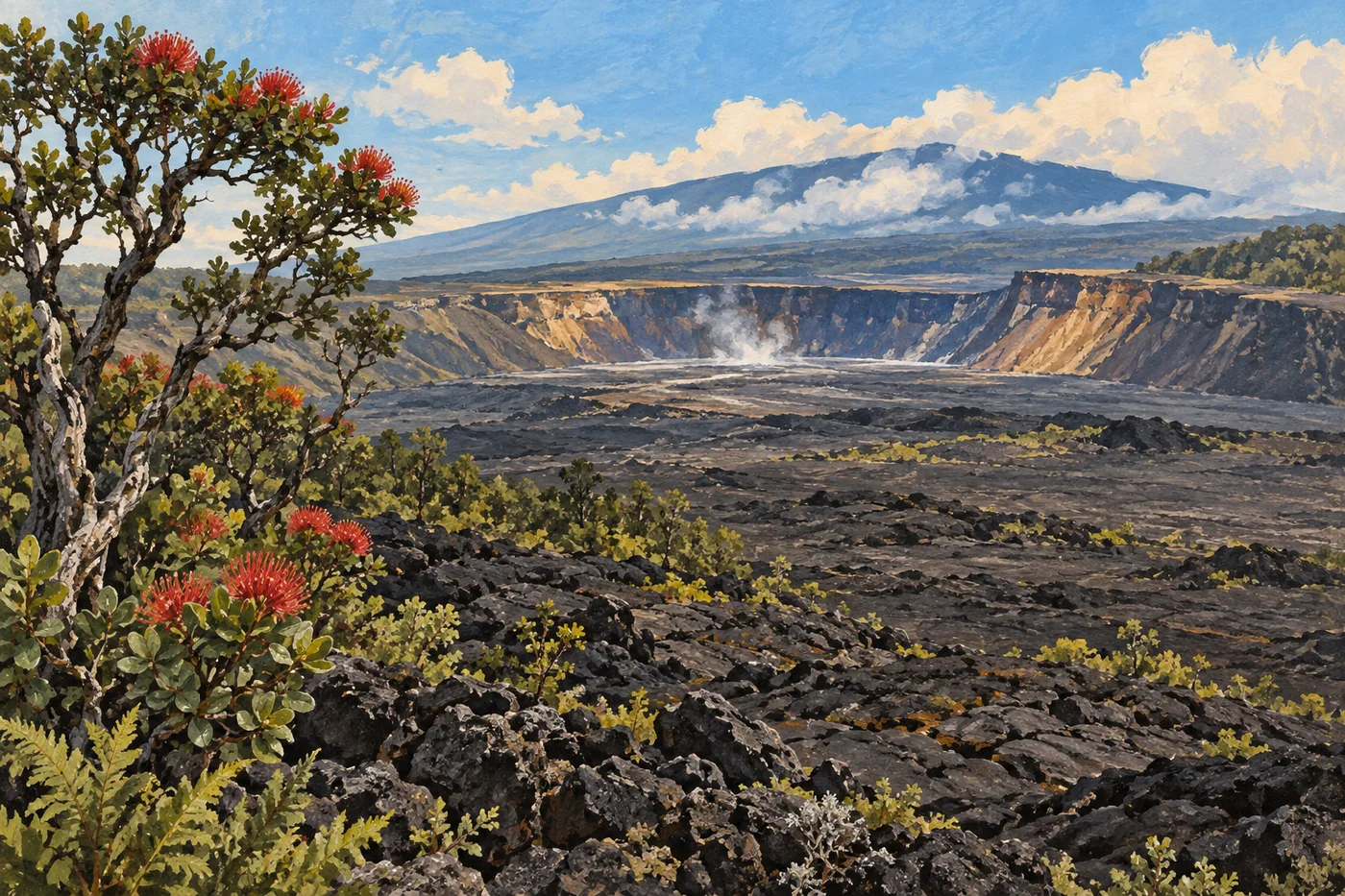
Hawaiʻi Island is the largest island in the chain and has several regions. A family may need to choose between bases or plan longer drives to cover volcano, beach, and town experiences. Check current park conditions before planning Hawaiʻi Volcanoes National Park; volcanic and weather information should come from official sources.
Kauaʻi suits families seeking lush landscapes and outdoor-focused outings. To avoid duplicating local attraction advice, use the separate Kauaʻi with kids guide for beaches, trails, and regional planning.

Match island and pace to your children
For toddlers and preschoolers, look for lodging with easy meals, shade, and a short route to the activities you want. A pool or beach near the accommodation can be more useful than a daily island-crossing drive.
Elementary-age kids may enjoy an aquarium or ocean center, a farm visit, a cultural site, or a short nature outing. Go Hawaiʻi’s family guide groups experiences by age, but check each operator’s actual age rules, hours, and access details.
Tweens and teens may want snorkelling, hiking, cultural activities, or longer drives. Match water and trail plans to ability and current conditions. Children’s swimming experience is not a substitute for checking posted beach guidance or park alerts.
Include transport in the island decision
A rental car can make several outings easier on neighbor islands, while a more urban base can offer different transit options. Check car-seat availability, luggage capacity, parking, and rental rules if you plan to drive. Compare the location of lodging to the places you truly intend to visit.
An inter-island flight adds more than airfare: airport travel, check-in, luggage, a rental-car change, and time to settle into another base. A short stay often works better on one island. If you have enough days to move, treat transfer day as a travel day with a lighter schedule.
Compare cost without false precision
Island costs depend on dates, lodging, car rental, food, activities, and seasonal demand. Compare a realistic daily plan rather than using a single island-wide price. Check accommodation taxes and fees, current attraction rates, and parking. Consider which activities are free or low cost near your base.
Build in a buffer for weather changes and transport costs. A lower room rate may not save money if it requires a longer daily drive or more paid meals.
A quick decision sequence
- Choose the trip’s main purpose: beach, urban variety, nature, or rest.
- Select the island that supports that purpose with the least daily friction.
- Check the number of bases and car days required.
- Compare total costs for your dates, including transfers and fees.
- Review current island updates, beach notices, weather, and park conditions before booking.
For first-time visitors, Go Hawaiʻi’s official island pages give a useful starting map. Read current local guidance again before travel, especially when your plans depend on a specific beach, park, or road.
Frequently asked questions
Which Hawaiian island is best for families with young kids?
There is no universal best. Compare lodging, short transfer options, beach conditions, health needs, and the activities your family will actually use. Oʻahu often offers a broad mix of services and attractions; other islands may suit a slower or nature-led trip.
Which Hawaiian island is easiest without a car?
Compare your lodging area and the specific attractions you want. Oʻahu has the broadest urban transit options, but many family activities on every island may still require advance transport planning.
How many islands should we visit on one family trip?
Most families should choose one island for a shorter stay. An inter-island move adds flights, airport time, rental-car changes, and packing, so include those costs and hours before adding another island.
Should families visit Kauaʻi?
Kauaʻi can fit nature-focused families, but the dedicated [Kauaʻi with kids guide](/kauai-with-kids/) covers its local activities and access in detail.