
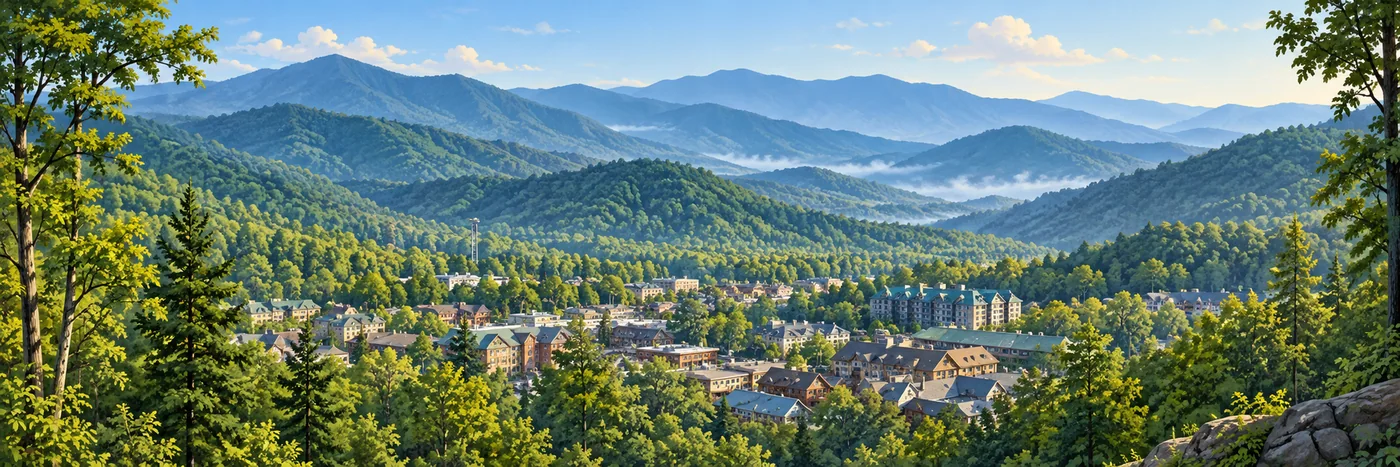
Gatlinburg with kids is a choice between two different days: an attraction-focused town visit and an outdoor visit in Great Smoky Mountains National Park. They sit beside each other, but they do not share the same roads, parking, terrain, or operating rules. Pick the day’s anchor first, then add one nearby stop.
For things to do in Gatlinburg with kids, match the plan to walking tolerance, weather, and the time you can spend in traffic. A town attraction can suit a rainy afternoon; a national-park visit needs a current conditions check and a realistic plan for hills, trails, and parking.
Quick choices for a Gatlinburg day
| Day style | Best for | The catch |
|---|---|---|
| Walkable Gatlinburg stop | Toddlers, mixed ages, short visits | Traffic, crowds, and paid add-ons can extend the day. |
| Smokies visitor-area outing | Nature-focused families | Road, trail, weather, and parking conditions change. |
| Rainy-day indoor anchor | Wet or very hot afternoons | Popular times may bring queues and timed tickets. |
Town day or Smokies day?
Keep a Gatlinburg town day compact
Choose one paid attraction or one walkable town-center activity, then add a meal and a break. The main commercial area can be busy, especially on weekends and holidays. Parking and traffic take real time, so avoid booking attractions at opposite ends of the area with tight arrival windows. Confirm each operator’s age policies, ticket times, accessibility notes, and cancellation rules.
A town day can be practical when the forecast is unsettled or younger children need easy access to food and restrooms. It does not need a long attraction list to feel complete. If a queue is longer than expected, let the next stop go.
Give the national park its own day
Great Smoky Mountains National Park has multiple entrances, roads, visitor areas, trails, and seasonal facilities. Decide which area you want before setting navigation, then check NPS current conditions for that exact road or trail. A low-elevation sunny forecast does not guarantee the same conditions at higher elevations.
For a short walk, use the official trail description to check distance, surface, elevation, and current closure status. Trail difficulty labels do not account for every child’s experience, footwear, or fatigue. Bring water and leave room to turn around.
Match the outing to age and energy
Toddlers and preschoolers: favor a short, nearby activity, a predictable meal stop, and a nap or quiet break. In the park, keep the walk conservative and check whether a stroller can handle the surface.
Elementary age: children may enjoy a longer nature stop or one attraction with hands-on elements. Give the child a small role—choose the picnic stop, map the route, or pick a single exhibit—without adding too many transfers.
Tweens and teens: allow more time for longer walks, town activities, or an evening attraction, but check age and supervision policies. Older children can still tire on steep, humid, or crowded routes.
Movement, parking, and access
Driving is often part of a Smokies day, and a short map distance may take longer during peak arrival periods. Use official park transportation information where it applies; shuttle schedules, stops, and service dates can vary. Do not assume a shuttle serves every trailhead or that parking will be available when you arrive.
In town, check the specific garage or attraction for height limits, accessible spaces, walking distance, and stroller rules. For a park visit, review the NPS accessibility page and contact the park about a particular need. Accessibility varies by site and route.
Set a practical budget
Public park visits can keep admission costs down, while attractions, parking, food, lodging, and add-ons vary by dates and operator. Compare the full outing rather than a headline ticket price: transportation, parking, meals, extra experiences, and the chance you need to change plans. Leave a small buffer for a weather shift or a meal away from your original area.
For families combining the area with Pigeon Forge, plan the geography before buying timed tickets. A day split between places can be possible, but traffic and parking may consume the break children need.
A low-friction two-day outline
Day one: stay around Gatlinburg, choose one indoor or walkable anchor, and keep the evening flexible.
Day two: choose one Smokies area, check current road and trail information, pack for the weather, and set a turnaround time.
Add a third day for a second park area or a Pigeon Forge activity, not simply to repeat a packed schedule. See the National Park Service current conditions page when the park is the main purpose of the trip.
Before you set out
Recheck NPS conditions, operator hours, parking and shuttle details, and the forecast. Save an indoor backup, and choose the day around your child’s pace rather than the number of attractions available.
Frequently asked questions
What are the best things to do in Gatlinburg with kids?
Choose between a compact town-center outing, one indoor attraction, or a single Great Smoky Mountains National Park stop. Pair one anchor with a meal or short walk rather than planning town and park highlights in one day.
Is Gatlinburg walkable with a stroller?
Some central sidewalks are manageable, but crowds, slopes, curbs, and uneven surfaces affect the trip. Check the exact route and attraction entry details.
How many days do families need in Gatlinburg?
Two or three days allows a town outing, one or two Smokies visits, and a weather-flexible block. Add time if your group wants longer trails or nearby Pigeon Forge.
Should I check Smokies conditions before visiting?
Yes. The National Park Service updates road, trail, facility, river, and weather conditions. Check again close to departure because closures and mountain weather can change.